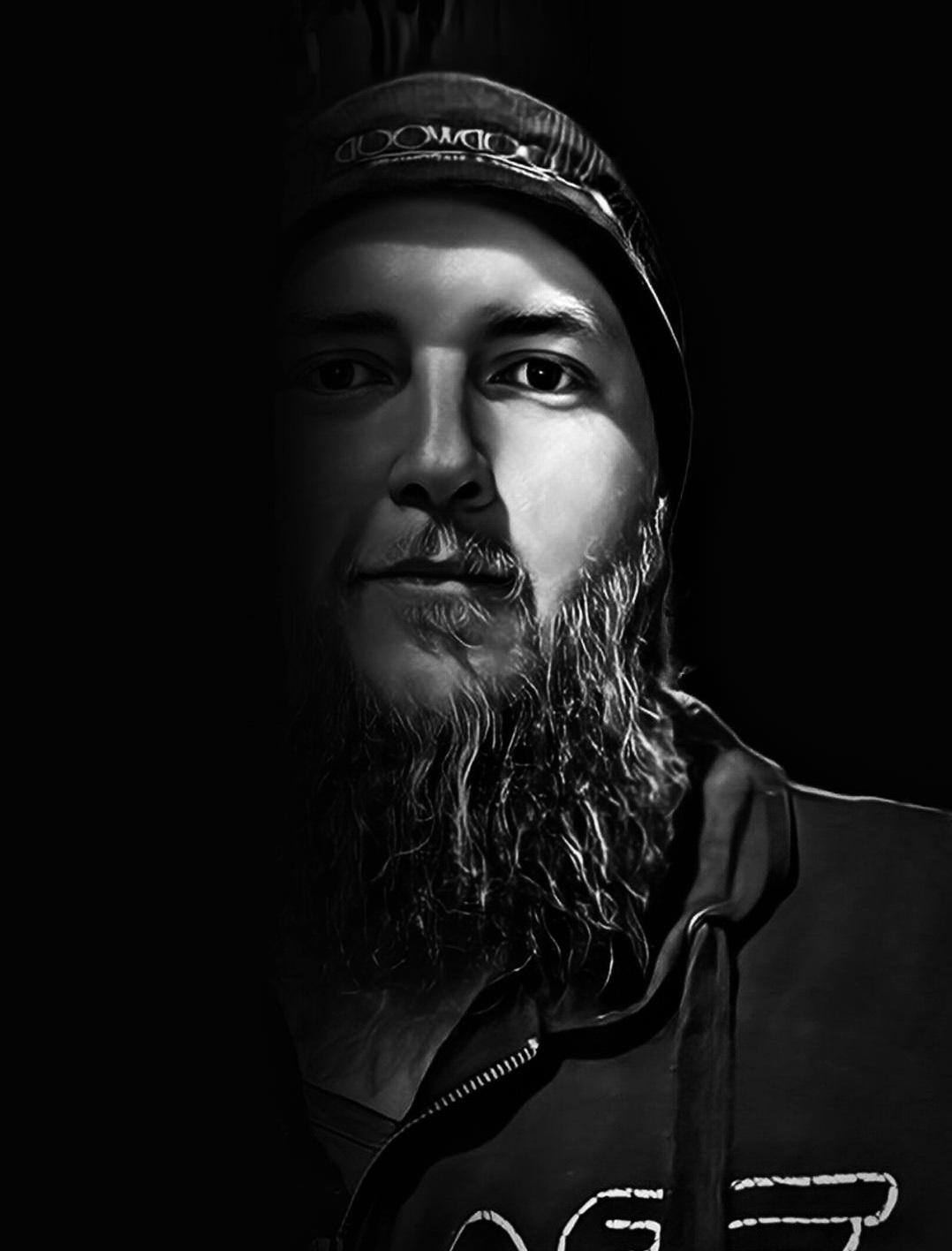


It takes incredible courage to voice feelings as raw and deeply rooted as mine are. Holding a grudge against a parent for over 20 years is significant. It shows the profound impact of my past. What I experience is far from normal but it’s certainly not a sign of weakness.
Many people struggle with the concept of forgiving a parent who caused them immense pain. The struggle is especially hard when that pain stemmed from abuse, addiction, and neglect. When we hear the word “forgive,” we often expect it to mean forgetting the pain. It can also mean condoning or reconciling with the person who hurt us. But for survivors of childhood trauma, that definition can feel like an impossible burden. It even seems a betrayal of their own suffering. This is how I still feel over 20 years later since seeing my father for the last time.
Is it a grudge, hatred, or shame?
The lines between these emotions can be incredibly blurry, and you might be feeling a combination of all three, just like I do.
- Grudge: This often implies a persistent feeling of resentment or ill will. It’s the feeling of holding onto the wrong that was done. In my case, it’s a constant reminder of the suffering that I endured.
- Hatred: This is a much stronger, more intense emotion. For me it’s often accompanied by anger. There is also a wish for the other person to suffer. When directed at a parent, it can be particularly confusing and painful. Society often tells us we “should” love our parents.
- Shame: I often feel shame for reasons unrelated to what happened to me. I think I feel this way because I haven’t been capable of “getting over it.” Society often pressures individuals to forgive and move on. When you can’t, it can lead to feelings of inadequacy. You also experience self-blame. It’s crucial to remember that the shame belongs to the abuser, not the abused.
Why I can’t seem to let it all go?
The idea of “letting go” is often presented as a simple act, but it’s rarely that easy for deep-seated trauma. Here are some reasons why it is so difficult:
- Unprocessed Grief: I believe I am still grieving the childhood that I never had. I am also grieving the loving father that I deserved, and the sense of safety that was denied to me. Grief isn’t just about death; it’s about loss.
- Lack of Accountability/Repair: He never genuinely acknowledged the harm he caused, and it’s left a gaping wound. Nor has he ever made any efforts to change. I think forgiveness often feels more accessible when there’s an effort at repair from the other side.
- Self-Protection: Me holding onto these painful feelings, can sometimes feel like a form of self-protection. It’s a way of reminding myself of what happened so I can protect myself from similar harm in the future. I also find myself using it as a way to confirm my pain. If I let go, does that mean it wasn’t so bad?
- The Nature of Trauma: Childhood trauma literally changes brain development and how we perceive the world. It creates deep neural pathways that are hard to rewire. Healing from trauma is not about “letting go” in a passive sense. It’s an active process. Rebuilding and integrating those experiences is ongoing. This is why now, even at 35 years old, I’m still in fortnightly therapy sessions. I am also undertaking regular Cognitive Behavioral Therapy and Dialectical Behavioral Therapy sessions.
What does my healing look like moving ahead?
I’ll continue with my trauma based therapy and allowing myself to feel the anger, sadness, frustration, and grief without judgement.
Self-Compassion: Treating myself with the kindness and understanding I desperately needed as a child. I survived, and that’s an incredible testament to my strength. Even if I can’t see that for myself on most days!
Finding My Own Definition of Forgiveness: For some, “forgiveness” means releasing the hold the past has on them. It does not mean absolving the perpetrator. It means no longer allowing their actions to dictate our current happiness or future potential.
This post maybe a little dark or sensitive to some readers. I do apologize, but this is who I am now an open, honest and raw book. I’ve almost come full circle now with my past. I’m now working within the mental health sector. I am looking to further my studies. I aim to become a youth support worker. I want to help youth who are going through situations similar to my own upbringing. For anyone who may be upset from my post, please know that you’re not alone in this struggle. Your feelings are valid, and your journey toward healing, whatever form it takes, is a testament to your resilience. It’s a long road. However, one step at a time, you can create a future defined by your strength. It’s not defined by your past wounds.
